Coyotes are among us year-round, and they have adapted to living side by side with us in our cities and neighborhoods. Coyotes rarely attack humans, but they can present problems for our small pets (cats and small to medium size dogs), especially if the pets are outside unrestrained or unsupervised.
Coyote sightings can be on the rise this time of year due to mating and nesting season, which takes place between January-May. Coyotes can be more protective of their territory during this time frame, which can cause more frequent interactions between them and our resident pet population. Breeding season generally occurs between January-March and pups are typically born inside of a den or hollow during the months of April and May.
There are several protective measures everyone can take to reduce or eliminate these problems:
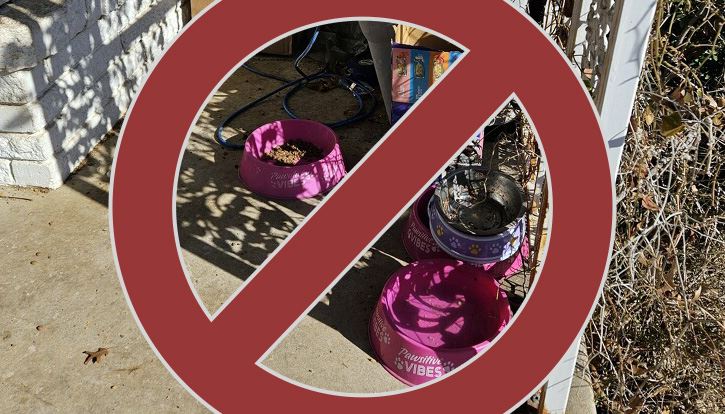
- Do not feed coyotes. If coyotes are provided a food source, whether intentionally or unintentionally, they learn to associate people with food. Remove any outdoor pet food, fallen fruit or vegetables.Keep garbage securely stored, especially if it has to be put on the curb for collection;
 use tight-locking or bungee-cord-wrapped trash cans that are not easily opened.
 - Do not leave domestic pets outside unattended. Even if you have a fenced yard, your small pets may be at risk of an attack. Coyotes are most active at dawn, dusk, and nighttime. Attacks on humans are very rare. You can discourage coyotes from preying on your pet(s) by simply being physically present with them. Dogs should always remain on a leash when on walks and off your property (remember, it's the law!).
- Remove or trim down any overgrown vegetation/brush areas. These locations create a habitat for rabbits, squirrels, and various smaller rodents, which are natural prey animals for coyotes. An abundance of this prey will attract coyotes to the area. Thick brush also provides sheltering locations for coyotes to hide and feel comfortable. This includes any outdoor wood piles used for residential fires.
- Do not leave any water sources available, which are often used by prey animals, including the coyote.
- Keep compost piles securely covered; correct composting never includes animal matter like bones or fat, which can draw coyotes even more quickly that decomposing vegetable matter.
- Do not feed wildlife on the ground; keep wild bird seed in feeders designed for birds elevated or hanging above ground, and clean up spilled seed from the ground; coyotes can either be drawn directly to the seed, or to the rodents drawn to the seed.
- Haze them. If you see a coyote, scare it away, but do not turn your back to it. Shout, wave your arms over your head, throw rocks or sticks at it, blow a whistle, shake pennies or marbles in a jar, bang on pots or pans, spray it with water from a hose, etc. If coyotes recognize people as a threat, they are less likely to cause problems. They may come back over the next few days/weeks, so be prepared to haze them again if needed.
- If you see a sick or injured coyote (or other animal), do not approach it. Please call Haltom City Animal Services via non-emergency Police Dispatch at 817-222-7124. If possible, keep eyes on the animal from a safe distance so you can direct Animal Services Officers to the animal's location.
